Trolley Payouts Platform: Advanced Guide to Global Mass Payment Automation
 ricel6914@gmail.com
Introduction
As digital platforms scale across borders, managing international payouts becomes a complex operational challenge. Businesses distributing funds to creators, affiliates, contractors, sellers, or partners must ensure that payments are compliant, secure, transparent, and scalable.
Trolley payouts refer to structured global payment automation systems that integrate compliance controls, tax documentation workflows, and reporting tools into one centralized disbursement engine.
This guide explores how trolley payouts function and why they are increasingly adopted by modern digital businesses.
What Are Trolley Payouts?


4
The term trolley payouts is commonly associated with the services provided by Trolley. The platform enables businesses to send large volumes of payments internationally while embedding identity verification, compliance screening, and tax form collection directly into the payout workflow.
Unlike consumer payment applications, trolley payouts are designed for enterprise-level disbursement operations.
Operational Framework of Trolley Payouts
A typical trolley payouts system includes four interconnected layers:
1. Recipient Onboarding
Recipients securely submit:
- Bank account details
- Preferred currency
- Tax documentation (W-8, W-9)
- Identity verification information
Automated onboarding improves accuracy and reduces administrative overhead.
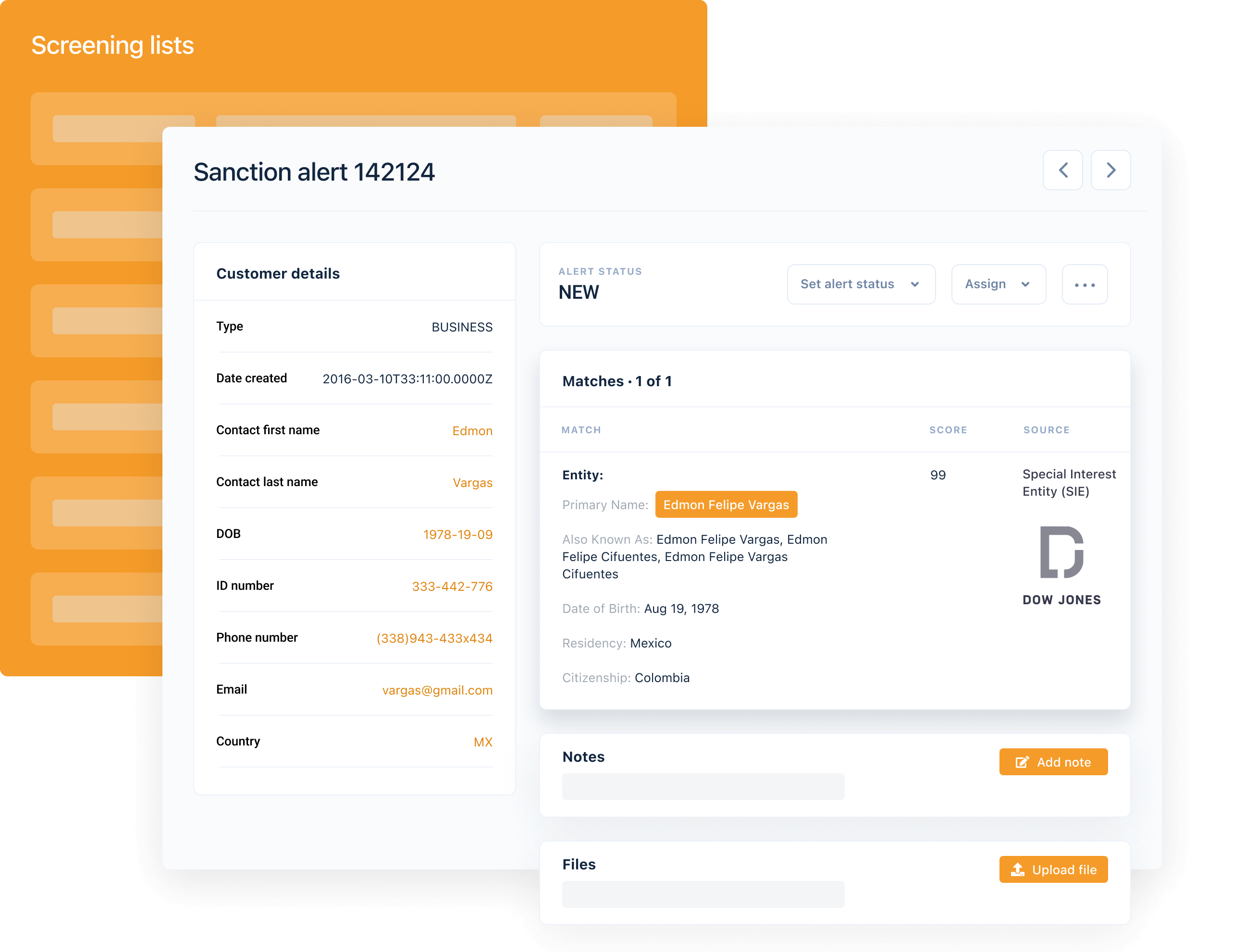
2. Compliance & Risk Screening


4
Before disbursement, automated systems may conduct:
- Sanctions list checks
- Anti-money laundering validation
- Fraud detection analysis
- Audit trail logging
Compliance automation reduces regulatory risk.
3. Global Payment Execution
Supported payout rails commonly include:
- ACH (United States)
- SEPA (European Union)
- SWIFT (International transfers)
- Local bank transfer networks
- Multi-currency settlements
Businesses can execute:
- Bulk payout batches
- Recurring scheduled payments
- API-triggered transfers
- Manual dashboard disbursements
Automation ensures predictable payout cycles.
4. Reporting & Reconciliation
Operational oversight tools typically provide:
- Real-time payout tracking
- Error and rejection notifications
- Downloadable transaction reports
- Year-end tax documentation summaries
These tools simplify financial management and compliance preparation.
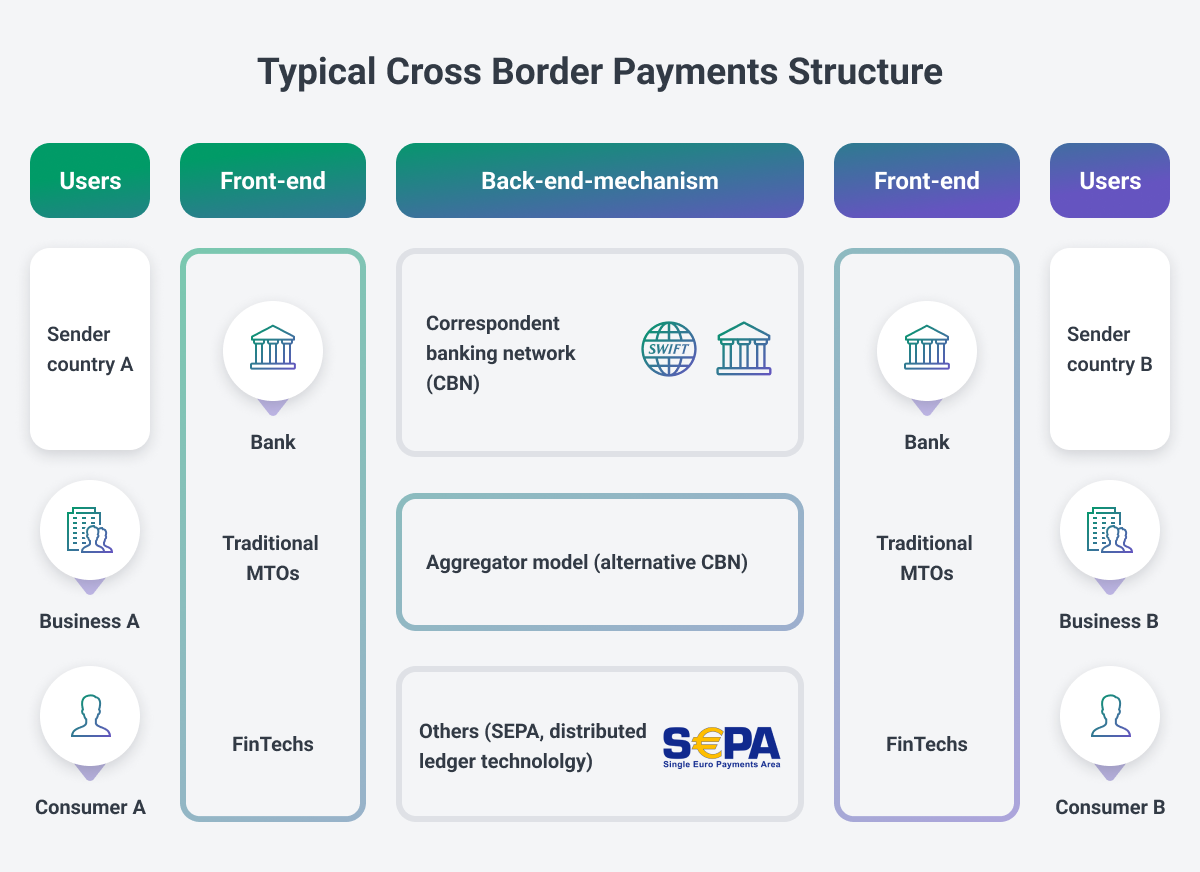
Multi-Currency & Cross-Border Capabilities


4
International disbursements require management of:
- Currency exchange fluctuations
- Regional compliance requirements
- Settlement timelines
- Foreign exchange transparency
Trolley payouts systems centralize currency handling and enhance cross-border transaction visibility.
Tax Documentation Automation
Tax compliance workflows may include:
- Digital W-9 collection
- W-8 series forms for international recipients
- Tax ID validation
- Annual reporting exports
Embedding documentation into payout systems reduces administrative burden.
This article is informational only and not legal or tax advice.
Security & Data Protection
Financial infrastructure demands strong safeguards. Trolley payouts systems generally implement:
- Encrypted data storage
- Secure API authentication
- Role-based access controls
- Comprehensive audit logs
- Real-time monitoring alerts
Strong security architecture protects sensitive financial data.
Developer Integration & API Scalability
Engineering teams evaluate trolley payouts systems based on:
- RESTful API endpoints
- Webhook event notifications
- Sandbox testing environments
- Bulk CSV payout tools
- Automated scheduling logic
Flexible APIs allow seamless integration into marketplaces, SaaS platforms, and fintech ecosystems.
Strategic Advantages of Trolley Payouts
Organizations implement trolley payouts infrastructure to achieve:
- Centralized global disbursement management
- Reduced compliance exposure
- Automated tax documentation workflows
- Multi-currency scalability
- Improved operational efficiency
For growing digital platforms, payout automation becomes foundational.
Search Intent Behind “Trolley Payouts”
Users searching for trolley payouts typically include:
- Business leaders researching payout automation
- Developers reviewing API integration capabilities
- Recipients verifying payment legitimacy
- Compliance professionals analyzing documentation systems
Providing structured, neutral, and educational content supports sustainable SEO visibility.
Final Thoughts
Trolley payouts offer a scalable global disbursement solution for modern digital platforms. By integrating payment execution, compliance automation, tax documentation workflows, and API-driven scalability, trolley payouts support secure and efficient international operations.
As cross-border digital commerce expands, structured payout infrastructure becomes essential for operational resilience.